HUMAN-CENTERED MECHANICAL DESIGN
Cable Carousel
Design of a manual, portable cable winder
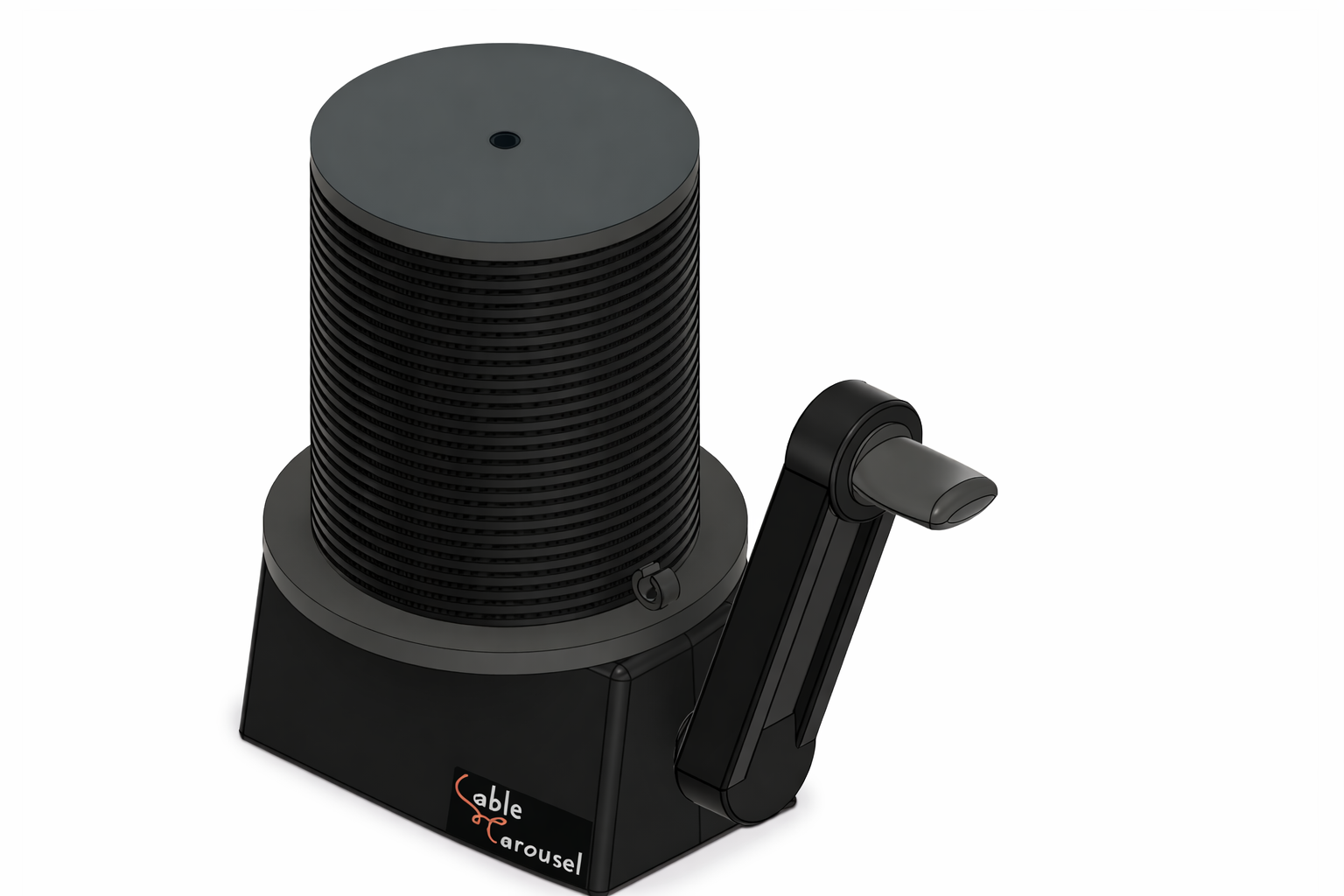
OVERVIEW
My four-member team and I designed a manual, ergonomic cable winder to address the cable tangling issues students encounter. Campus interviews guided a collapsible coiler with a simple hook-and-handle mechanism, prioritizing portability and ease of use. The design focused on mechanical simplicity and speed for a student audience underserved by existing products.
ENGINEERING PROCESS
Conceptual design and feasibility
Following interviews and brainstorming, we evaluated motorized coils and spring-loaded retractors. We selected a manual hook-and-handle system to maximize reliability and minimize footprint.
The design responds to a clear need from our interviews: a device that fits in a backpack yet remains stationary during use.
ENGINEERING PROCESS
Detailed design and CAD implementation
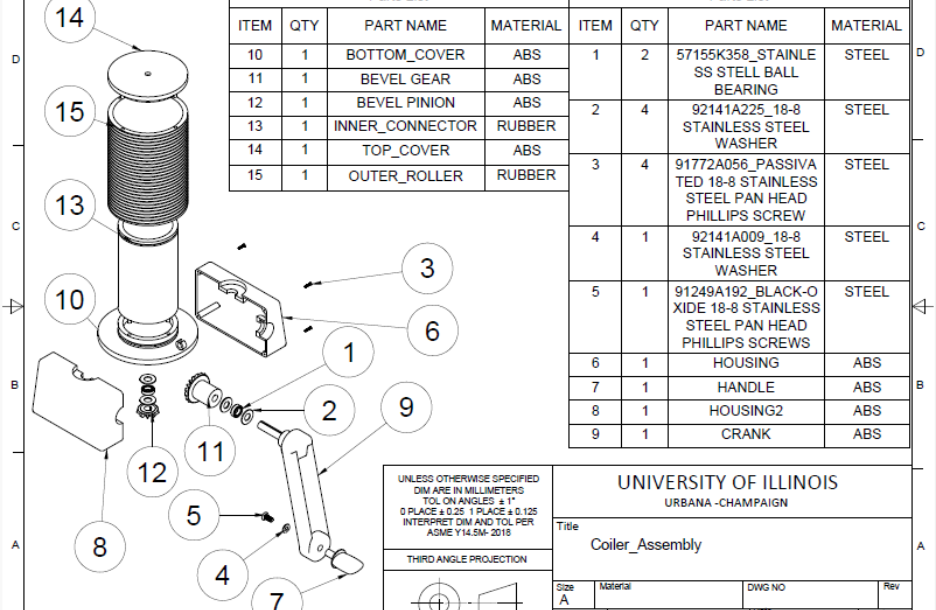
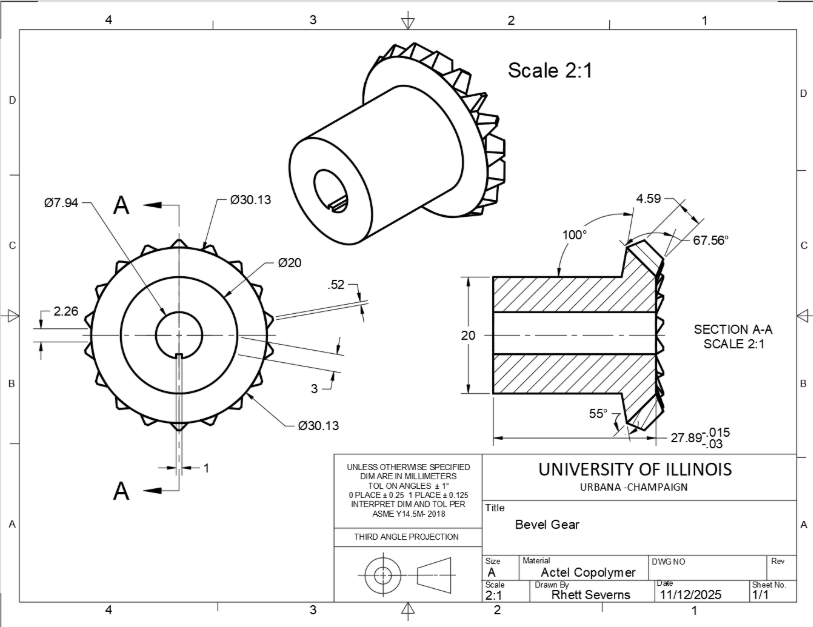
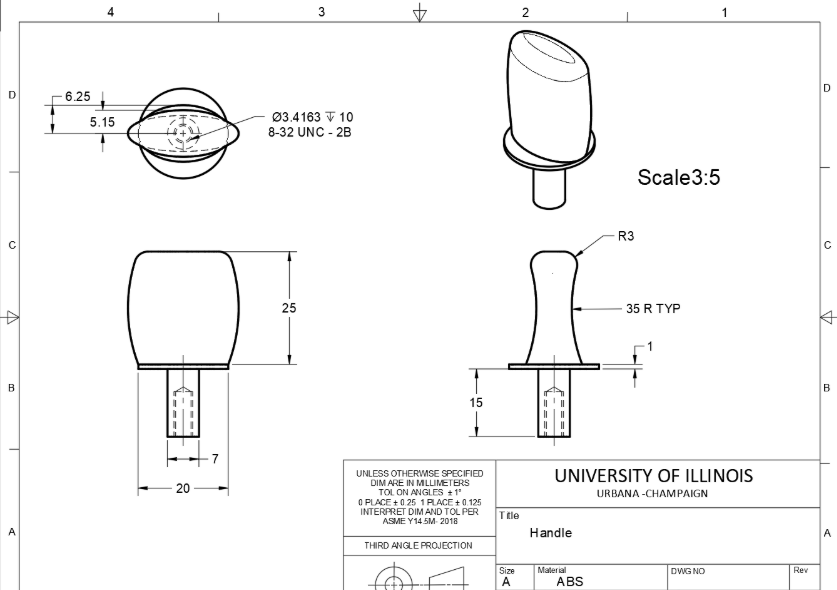
As lead for mechanical drive components, I was responsible for the end-to-end design and CAD modeling of the internal gear system and user interface.
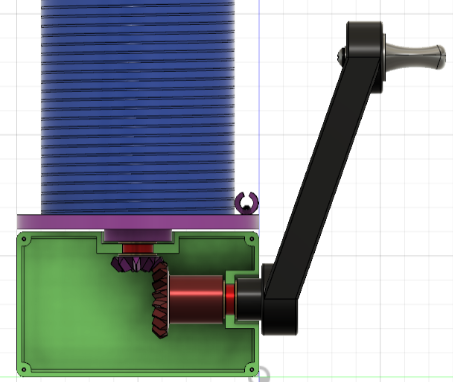
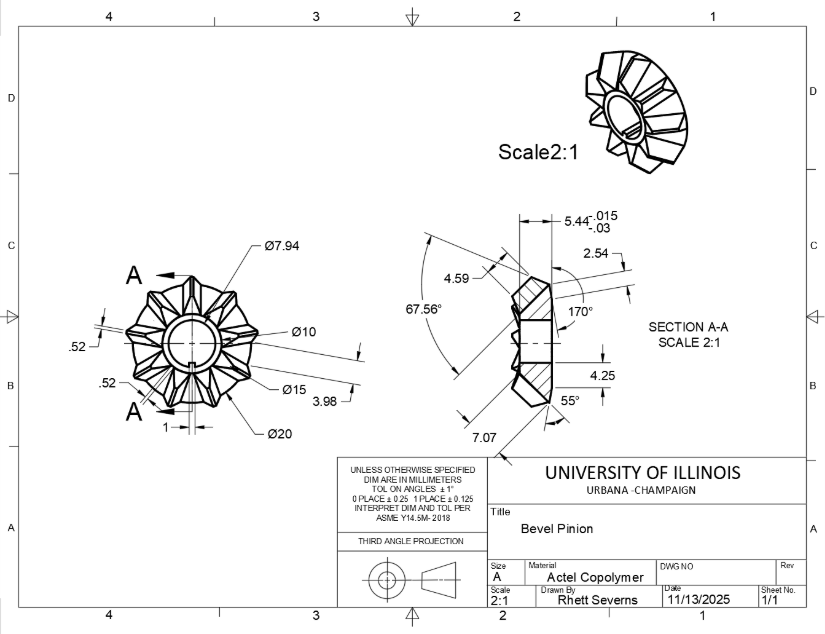
I engineered a 90-degree bevel gear assembly to translate horizontal cranking motion into vertical spooling rotation. Each component was modeled in Autodesk Fusion 360, with attention to gear tooth profiles and tolerances for smooth power transmission and durability under manual torque.
ENGINEERING PROCESS
Tolerance analysis
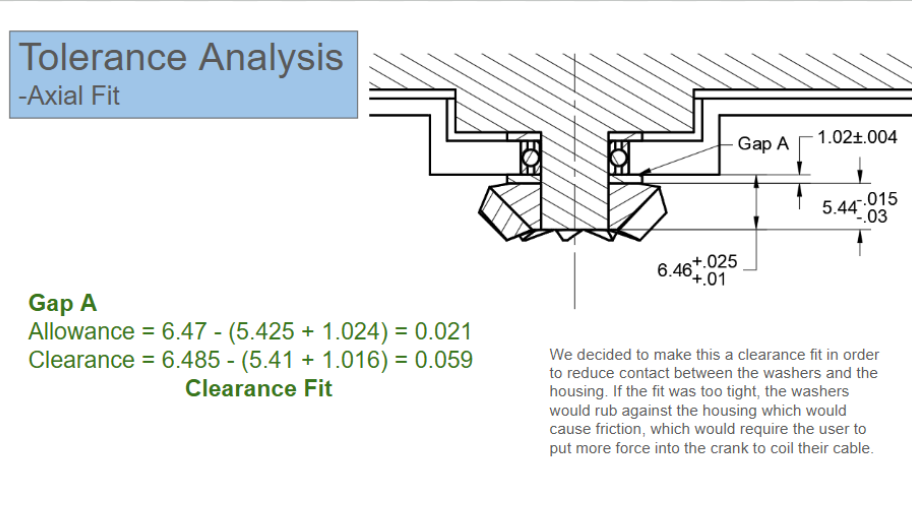
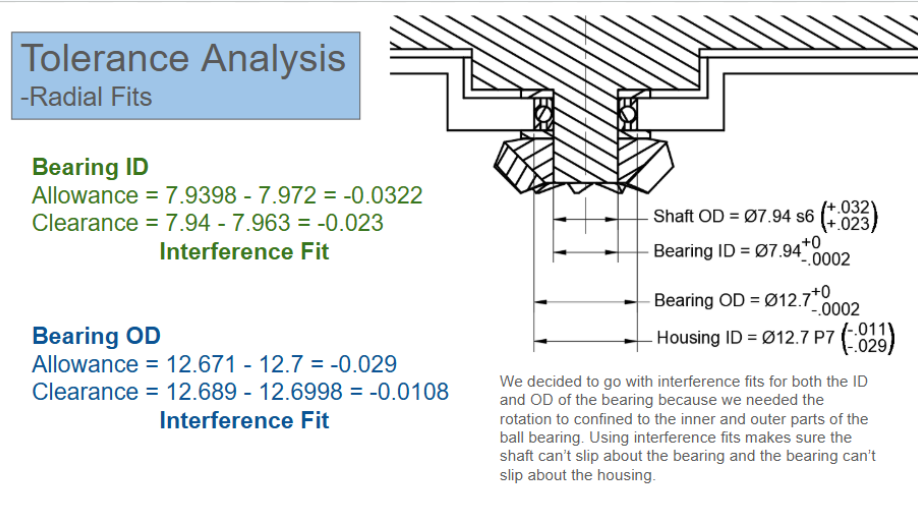
The compact bevel gear drive was designed to transfer torque smoothly, allowing users to wind cables with minimal effort. A critical challenge was maintaining the longevity of the rotating assembly.
I conducted tolerance and radial fit analysis to determine the ball bearing interference fits. Calculating clearances between the shaft, housing, and bearing inner diameters helped eliminate mechanical slop and prevent slipping under load.
MORE ENGINEERING WORK