ARGONNE NATIONAL LABORATORY
Mobile urban microclimate sensing
Mobile thermal sensing for urban microclimate research in Chicago
OVERVIEW
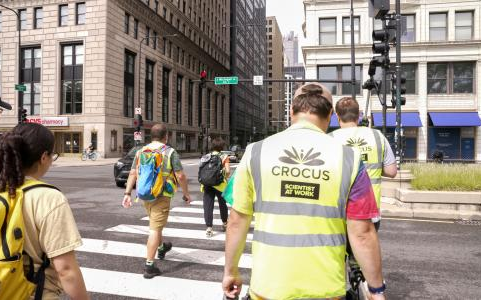
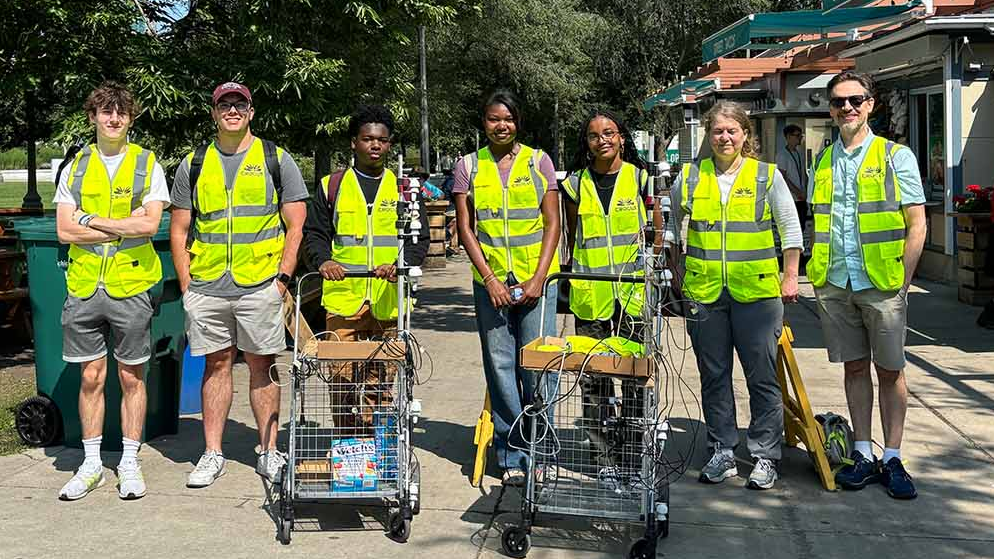
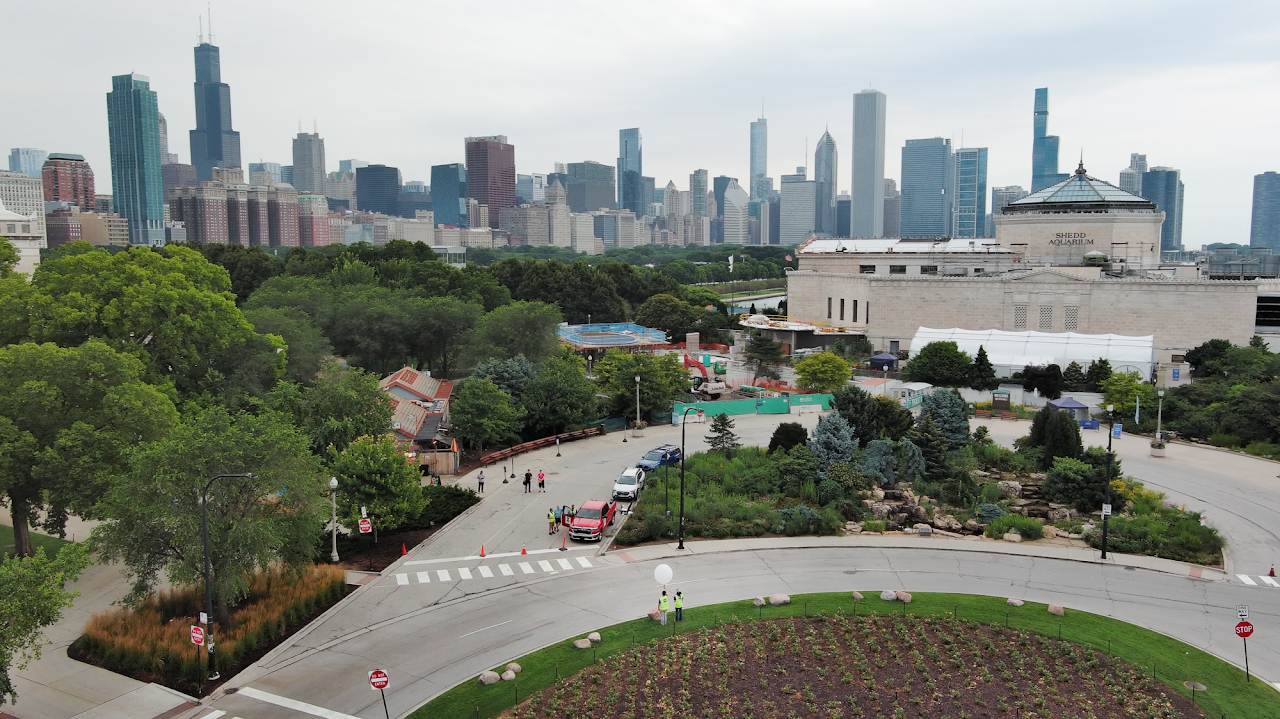
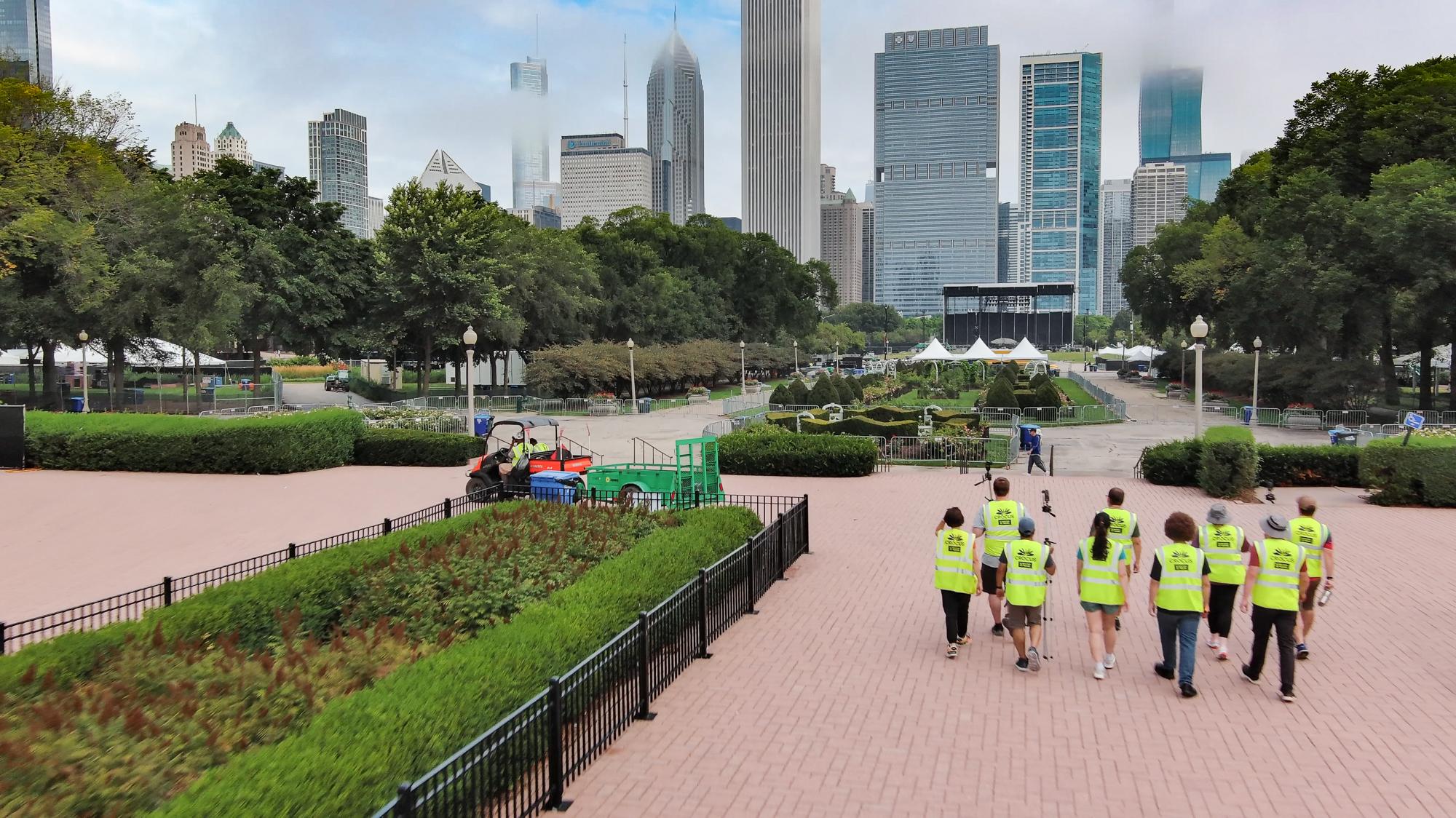
As part of a seven-person team, I collected and synthesized high-density microclimate datasets across more than 20 miles of Chicago’s urban canyons. Our mobile sensor array helped document extreme horizontal and vertical thermal gradients, providing an empirical foundation for modeling human-level heat exposure and urban infrastructure resilience.
20+
Miles of urban data collection20°C
Vertical thermal gradients10°C
Horizontal thermal gradientsSENSOR SYSTEM DESIGN
Mobile RTD system
- 9-ft telescopic pole: Integrated a distributed network of temperature, humidity, infrared, and GPS sensors to collect data at a range of heights.
- Solar shielding: Used white RTD covers to mitigate solar radiation interference and support accurate measurements.
- Integrated storage: Designed cart-top housing for multimeters and synchronized observational documentation.
- Sensor calibration: Validated data integrity through pre-deployment calibration and testing.
- Research contribution: Designed the primary mobile sensing array used to generate high-fidelity thermal datasets for the CROCUS urban climate research campaign presented at the 2024 AGU Fall Meeting.
FIELD RESEARCH
Data collection
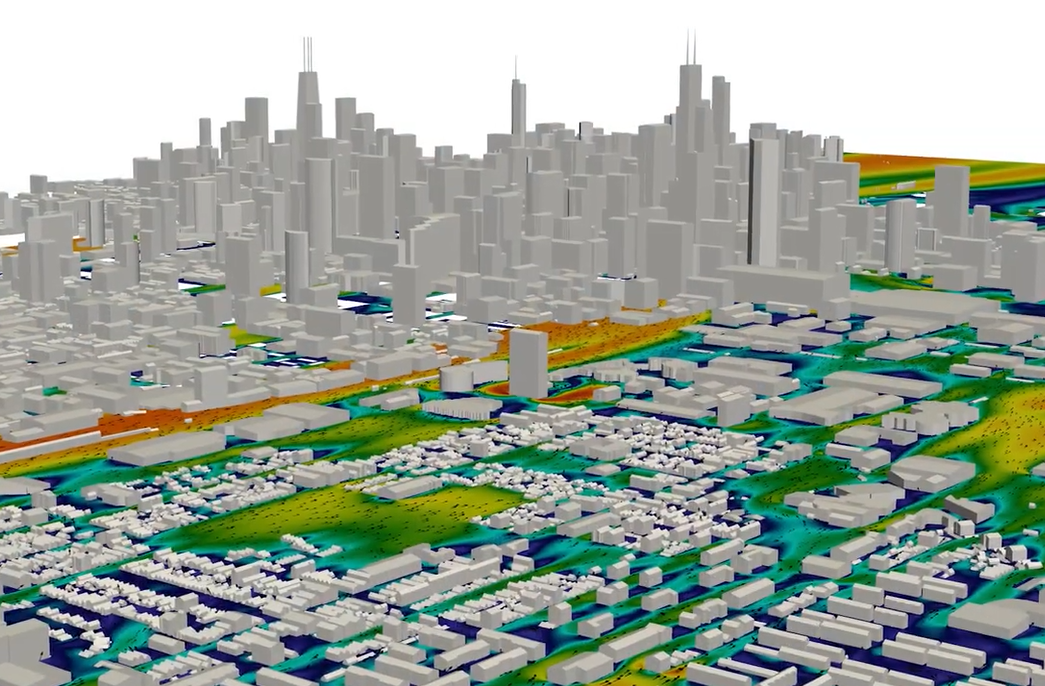
Our team focused on the complex thermal dynamics of dense metropolitan environments, identifying and documenting horizontal gradients of 10°C and vertical gradients of 20°C.
The data demonstrated the impact of urban geometry and material emissivity on localized heat retention, supporting the CROCUS Urban Canyon campaign’s work on human-level heat exposure and infrastructure resilience.
NEXT WORK EXPERIENCE